23 Top Attractions and Best Things to Do in Granada, Spain
Granada marks a pretty big place in history. It was the final refuge of Moorish rule in the Iberian Peninsula until the Spanish Christian Monarchs reconquered it in 1492 (which you may recall was the year that a certain someone sailed the ocean blue). And even today, over half a millennium later, you can still enjoy that confluence of cultures that Granada offers.
It is often left out of the typical one week Spain itinerary, due to its distance from the more popular spots of Barcelona and Madrid. But if you have ten days in Spain or more, then visiting Granada is an absolute must. And in this post, I share the main things to do and see in Granada.

But before we start, I just want to mention that the items below that are with an asterisk can be purchased at a €1 discount each if bundled in the combined ticket. Ok, ready? Then let’s get to it!
Where to Stay in Granada
But first…where you should stay! If you are traveling on a budget, it would be helpful to stay within walking distance of the train station, since you are probably using it to get to your next stop in your Spain itinerary. That way, you can save money on cabs to and from your hotel. If you have a larger budget or someone to split taxi costs with, then consider staying deeper in Granada’s historic center instead. Whatever you decide, you will be within reasonable walking distance from most things to see and do in Granada, save some of the further out viewpoints.
Where to Stay in Granada
- Catalonia Granada: Just a 10-minute walk from the train, this modern hotel can be both a budget or a mid-range option depending on which room type you select. And the rooftop pool and bar is always a plus.
- Palacio Gran Vía, a Royal Hideaway Hotel: Higher-end option with rooms ranging from doubles to family suites, a spa and gym, and a rooftop terrace offering the most amazing views of Granada’s main cathedral.
Alhambra
This gorgeous Moorish palace and fortress sits atop a hill with the Sierra Nevada mountains as its backdrop. It is the largest tourist draw in Granada. But in my opinion, it should be the biggest tourist draw in all of Spain! Tickets to the Alhambra usually sell out months in advance, except for in the low season. So make sure that you purchase your tickets on the official site as soon as you have your dates.

You can choose from a few different packages to purchase, including a nighttime visit option. But the general daytime visit is €19.09. (And you can actually climb up to Alhambra grounds, enjoy a nice view over Granada, and even enter a couple less-important things for free.) Plan to spend a minimum of half a day at the Alhambra.
Nasrid Palaces
There are many different things to see in the Alhambra, but the Nasrid Palaces are the most famous part. They were once the royal residence of the Nasrid dynasty, who were the final Islamic kingdom to rule in Spain. Between the fountains, the gardens, the intricate wooden carvings, and the detailed tile work, the only way I can describe the Nasrid Palaces is stunning.
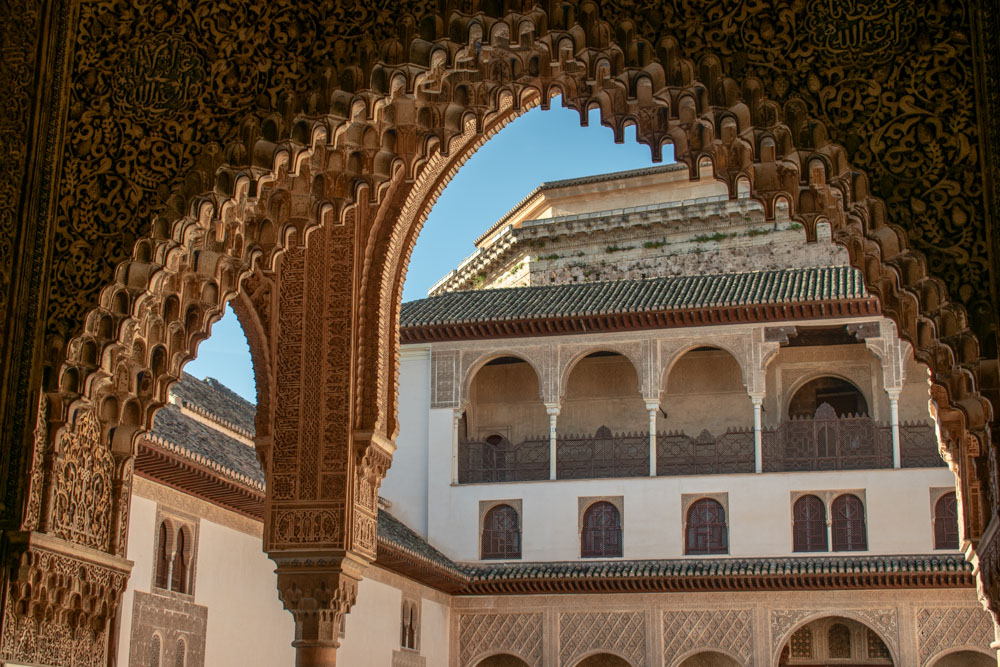
You will need to select a specific time to enter these when purchasing your Alhambra entry ticket (the same one I mentioned above). I went for the first time of the day I could snag. This worked out great, as the rest of the Alhambra doesn’t need time slots to see. So it was nice to knock this out of the way first and explore the rest at my leisure, rather than starting somewhere else and having to rush back here at a specific time.
El Partal
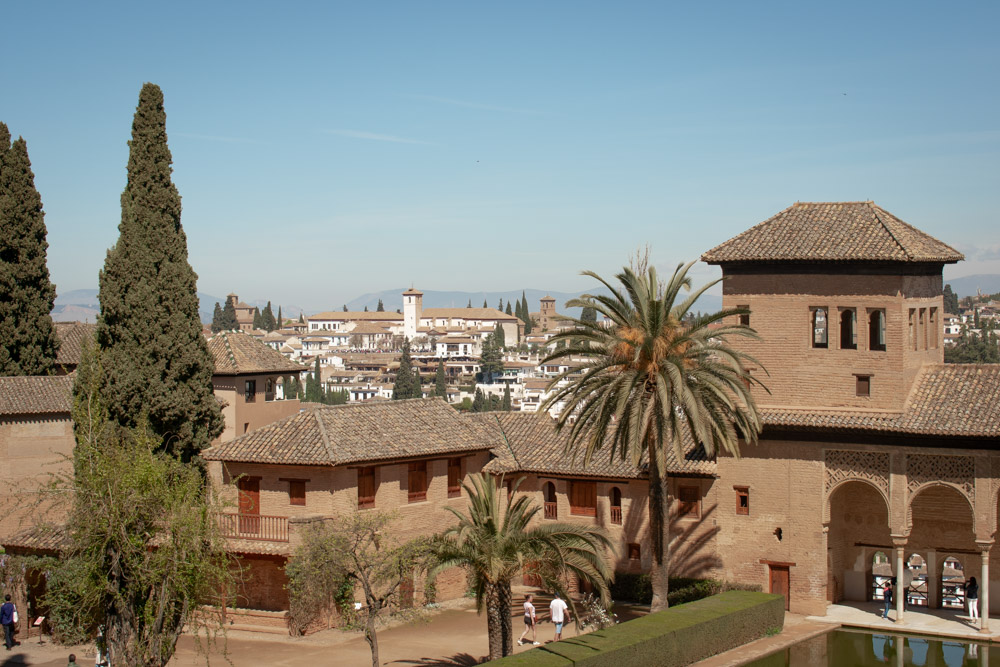
To get from the Nasrid Palaces to the second palace of the visit, which I’ll mention later on, you will walk through El Partal. It’s actually where you’ll be right after exiting the Nasrid Palaces. This area is another main part of the Alhambra visit. It is a garden area with a large reflecting pool, and it was used as a meeting point for royalty during the Alhambra’s golden age.
Alcazaba
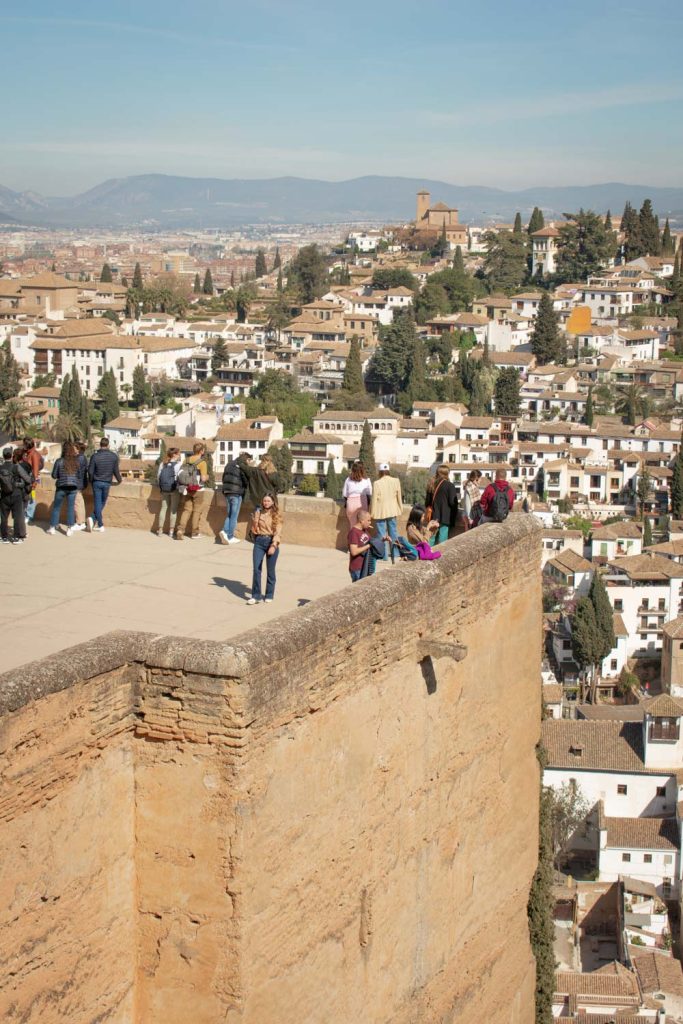
This isn’t one of the three main parts of the Alhambra visit, but I highly recommend you don’t skip it! The Alcazaba, which housed the military residential area, has one of the best views in Granada. It has gardens and a few towers, but my favorite was the Torre de las Armas, pictured below. I recommend stopping here after exiting the Nasrid Palaces but before walking all the way through El Partal to get to the next and final main stop of the Alhambra.
Generalife’s Palace
Another main part of the Alhambra visit is the Generalife’s Palace, which was the summer palace of the Moorish sultans. Here you’ll find terraced gardens, relaxing fountains, and pretty tile designs. If you’ve started your Alhambra visit at the Nasrid Palaces, this will probably be your final stop, as it’s furthest away from the Nasrid Palaces. So you may want to exit from here, rather than trekking back through El Partal to the other entry-exit.

Mirador de San Nicolas
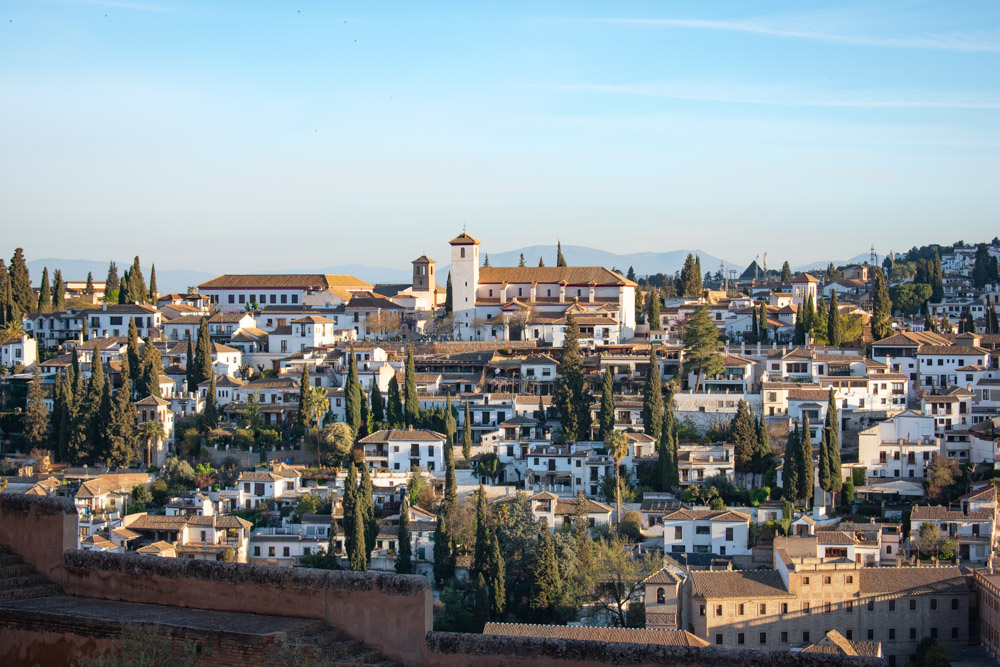
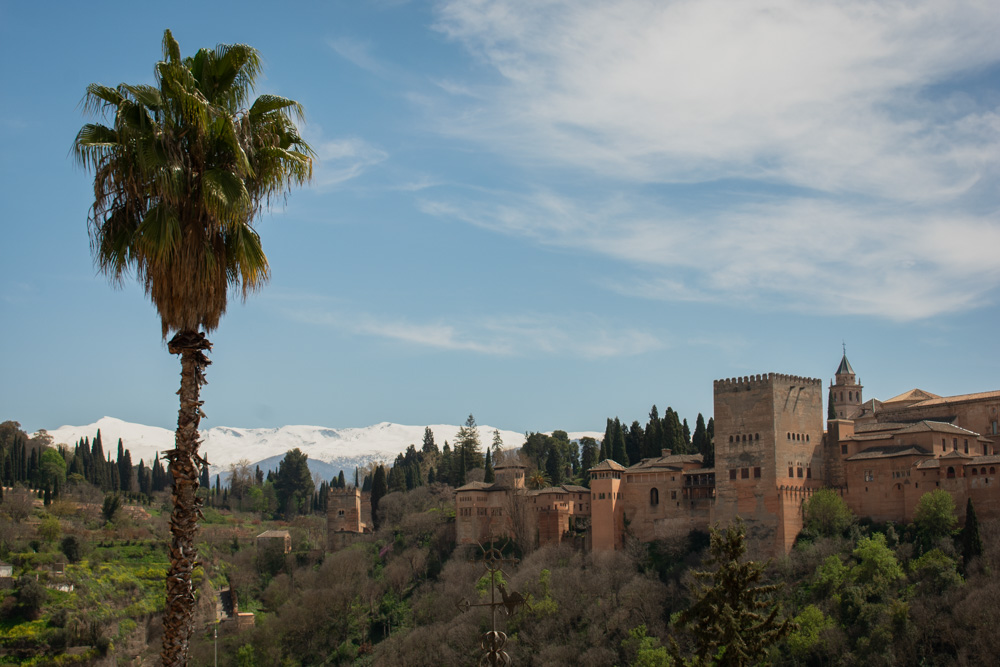
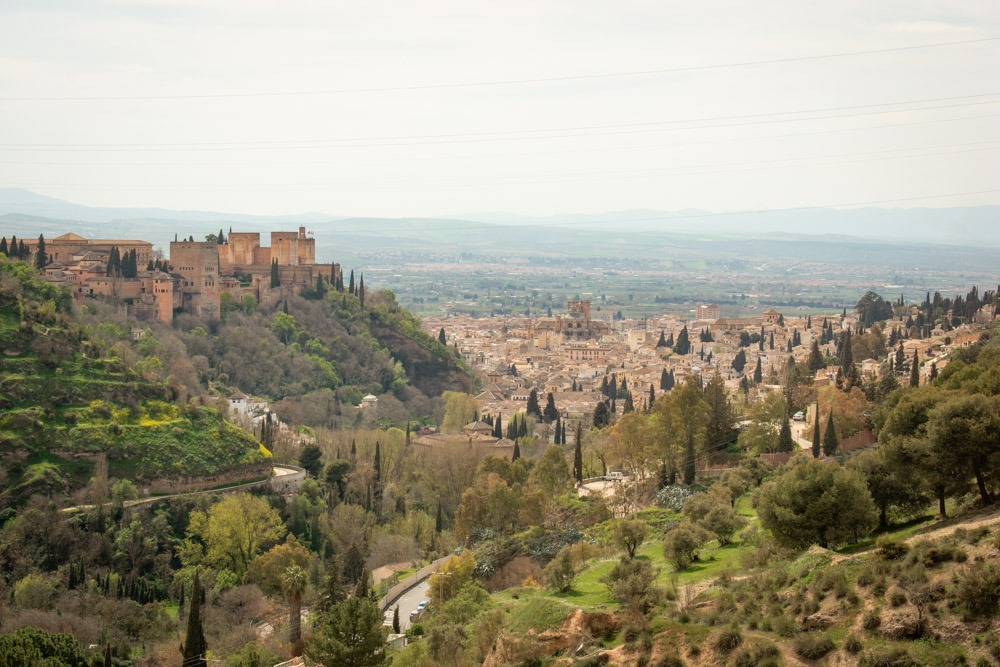
This viewpoint of the Alhambra is located in Granada’s Albaicín neighborhood. More specifically, it is located on the terrace in front of the Iglesia de San Nicolas. It is a popular spot for tourists, so it can get very, very crowded! So pack a bit of patience with you, if you’re after a perfect shot of your group in front of the Alhambra.
Mezquita Mayor de Granada
This is the main mosque of Granada, built rather recently in 2003. It is (literally) right next to the Iglesia de San Nicolas (the church I just mentioned above). I don’t see it mentioned as something to see in Granada. But it has a cute garden and offers similar views to the Mirador de San Nicolas with way fewer crowds. The mosque does close in the middle of the day (like many things do in Spain). So be sure to time your visit correctly if you care to enter.
Ermita San Miguel de Alto
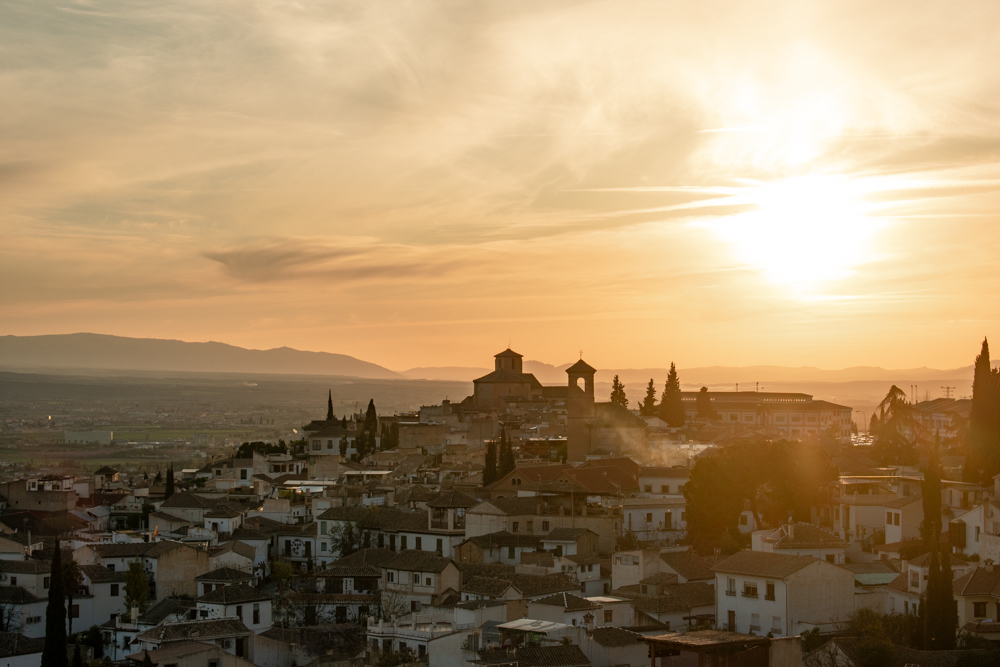
The previous two viewpoints are pretty good. But for the best view over not only the Alhambra, but all of Granada and beyond, head to the hermitage of San Miguel Alto (the patron saint of Granada). You can hike up the hill behind the Albaicín to reach it (it’s a 30 minute walk). If you don’t want to walk, you can also grab a cab to take you up. Either way, I recommend packing some food and drink beforehand, picking out a nice spot to sit once you get to the top, and watching the sunset over the city.
Plaza Nueva
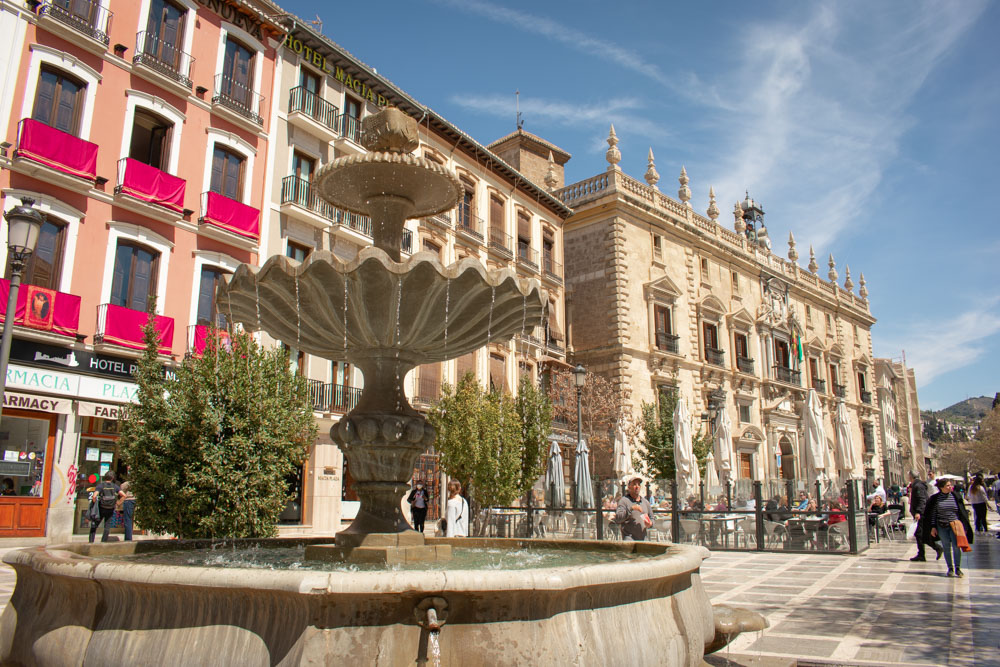
Even though the name of this spot translates into “new square,” this is actually the oldest square in Granada. Hang around this area long enough, and you might just catch a little performance! I saw two different ones in this area during my own visit to Granada. This vibrant plaza has been a central meeting point for centuries and connects Granada’s modern city center and the Carrera del Darro.
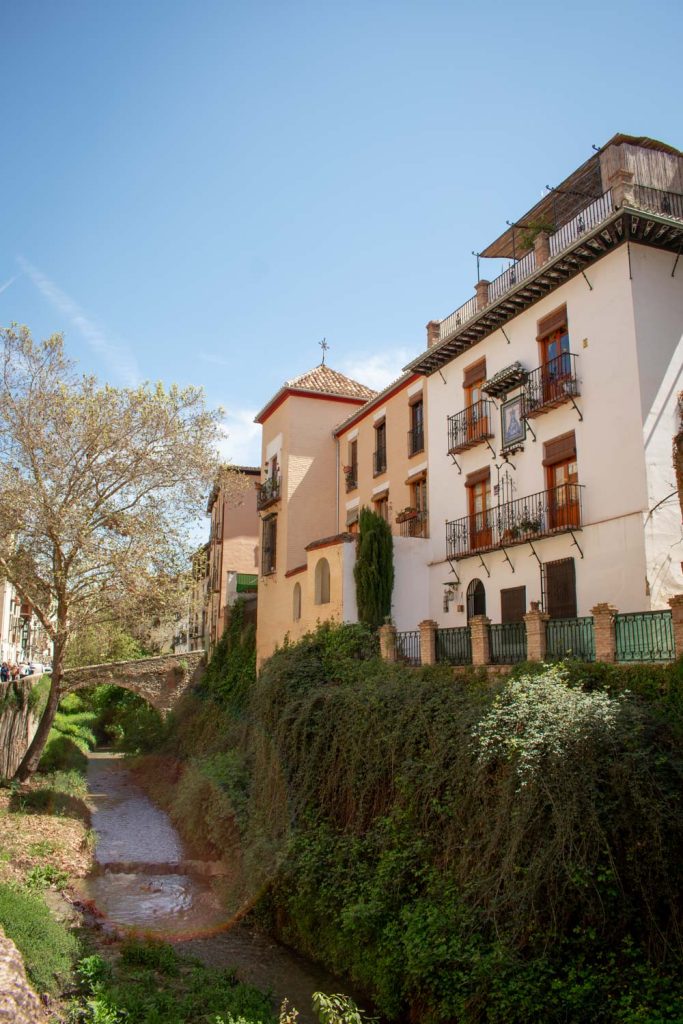
Carrera del Darro
This is a scenic path up a cobblestoned street that follows the Darro River. And it is considered one of the most romantic walks in Spain!
Paseo de los Tristes
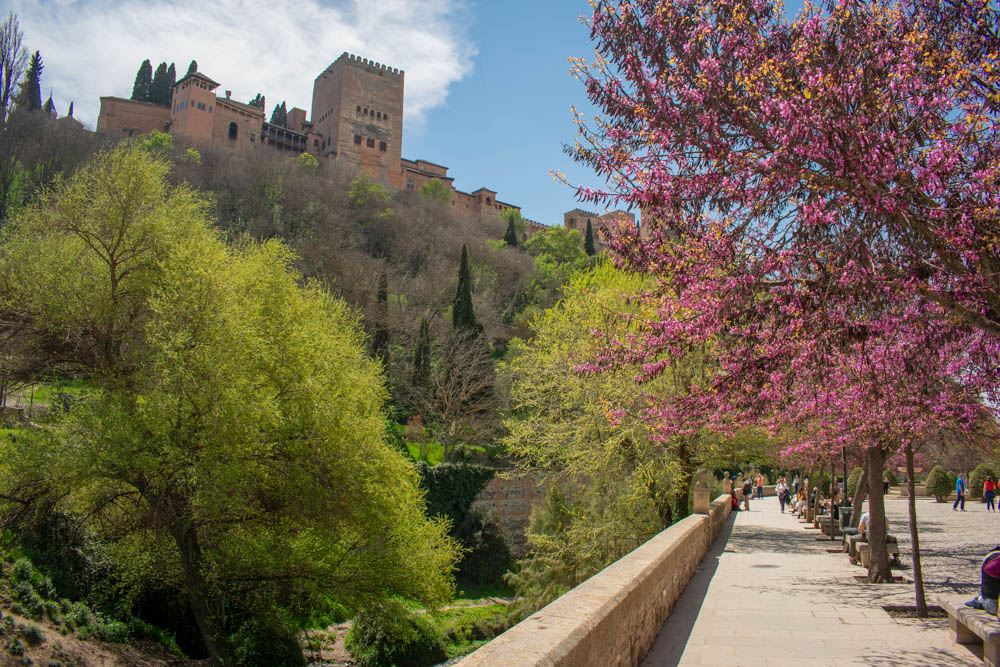
The Paseo de los Tristes starts where the Carrera del Darro ends and continues along the Darro River. The path offers great views of the Alhambra. At the end of the road, you can turn left to climb up to the Albaicín neighborhood. (You could also turn right, crossing the Puente del Aljibillo to get over the river and walk up to the Generalife entrance/exit of the Alhambra.)
Albaicín
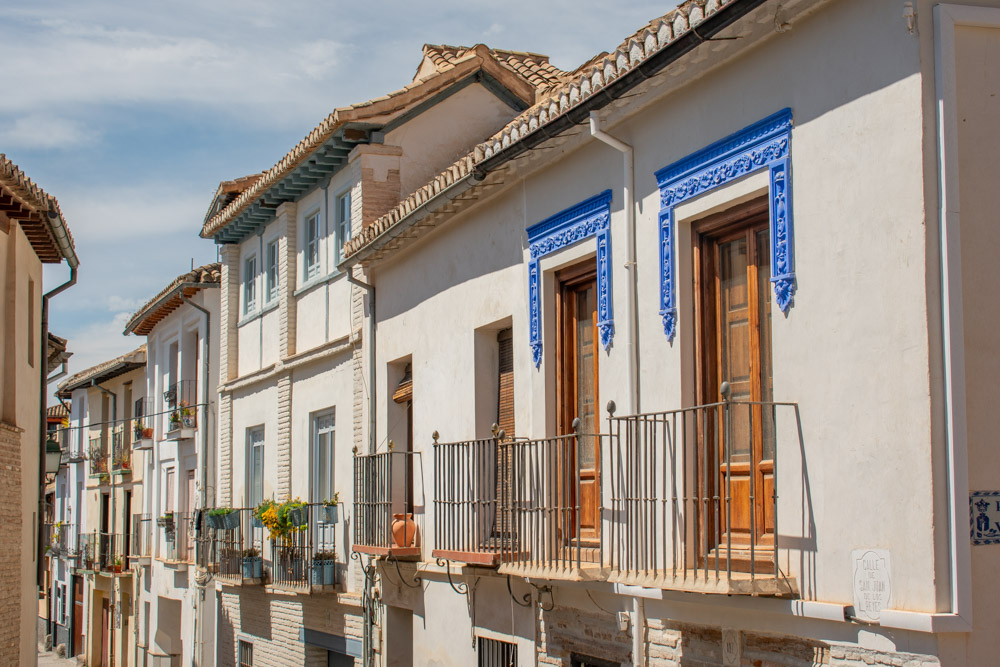
Sometimes spelled Albayzín, this picturesque neighborhood is full of winding, cobbled streets and white, Moorish-style buildings. It is located on the hill opposite the Alhambra and the oldest area of Granada. Named a UNESCO World Heritage Site, Albaicin was the main Moorish quarter of Granada during Islamic rule. I really liked the vibe in this neighborhood.
Calle Elvira and Calderería Nueva
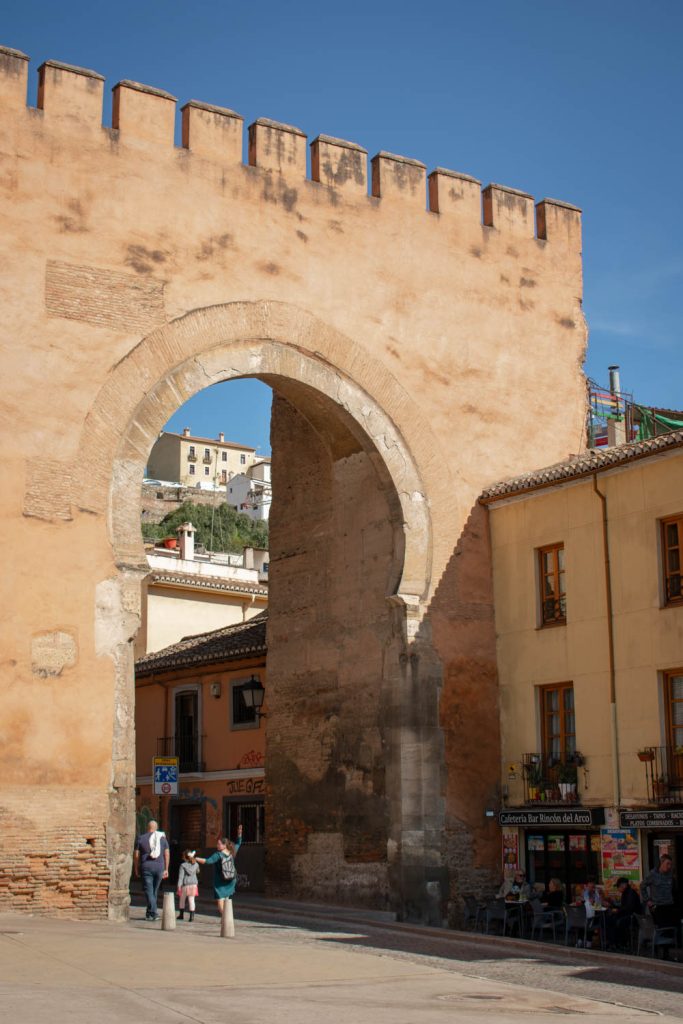
These two streets are located towards the bottom of the Albaicín hill. They are lined with small dessert shops, tea shops, and trinket shops selling artisanal items. Personally, I half felt like I was transported to Morocco by walking through this area!
Catedral Santa María de la Encarnación*
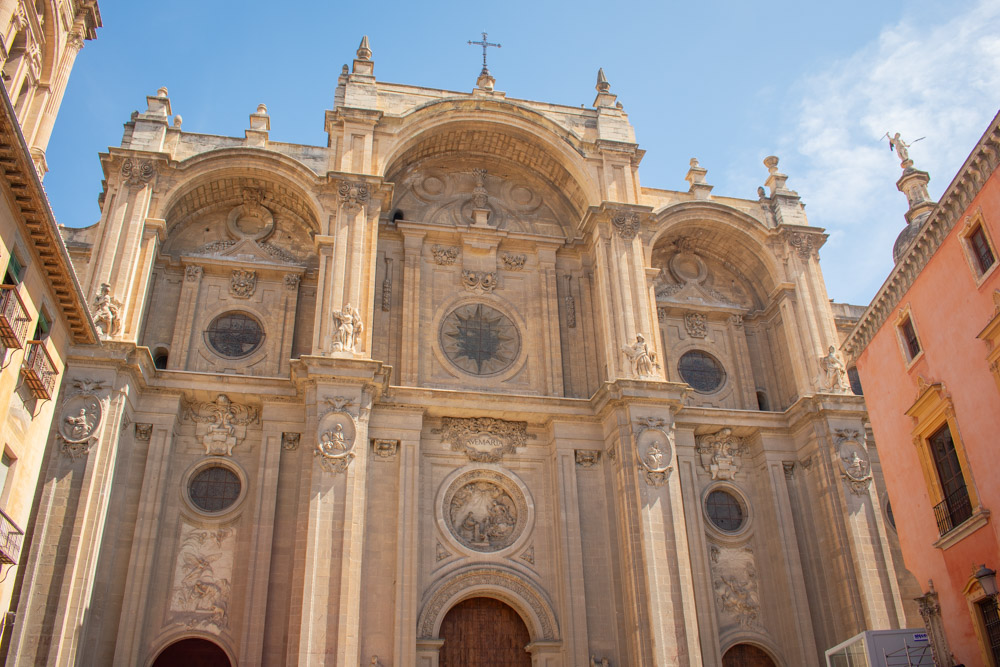
This is Granada’s most famous cathedral, also called the Catedral de Granada. And it is hard to miss! It was built on top of a destroyed mosque, shortly after Spain’s reconquest of Granada from the Moors. Tickets are €7 and can be purchased on the official site.
Capilla Real de Granada*
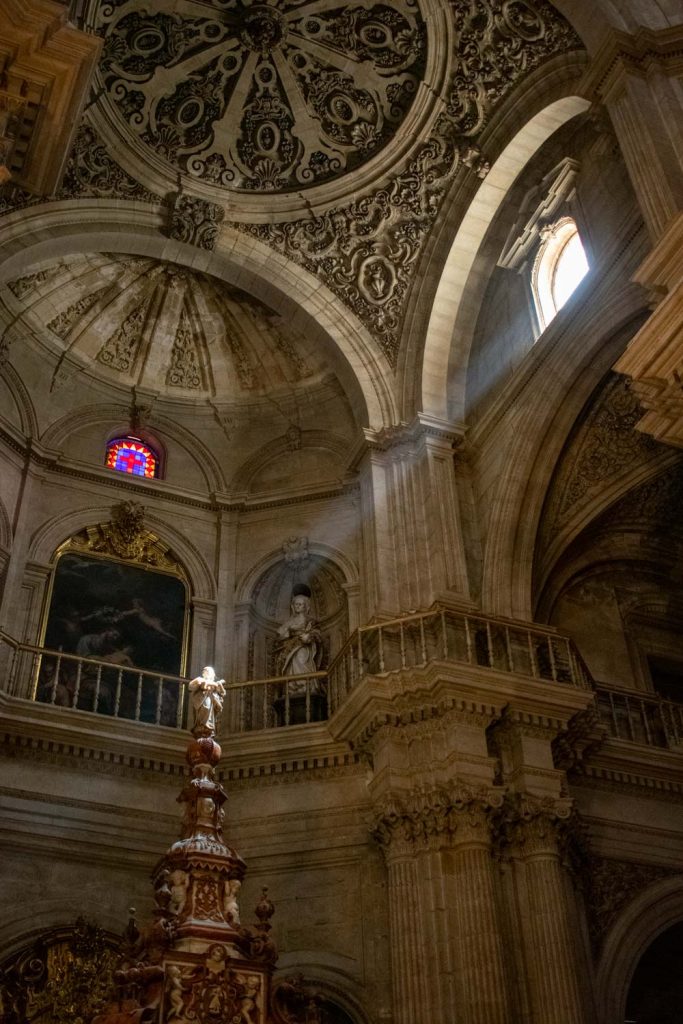
Right next door to the cathedral is the Capilla Real (Royal Chapel). And inside this chapel are the tombs of King Ferdinand of Aragon and Queen Isabella of Castile. These two ruled during the end of the reconquest of Spain from the Moors and are considered Spain’s first great royals. Tickets are €7 and can be purchased on the official site.
Plaza de Bib-Rambla
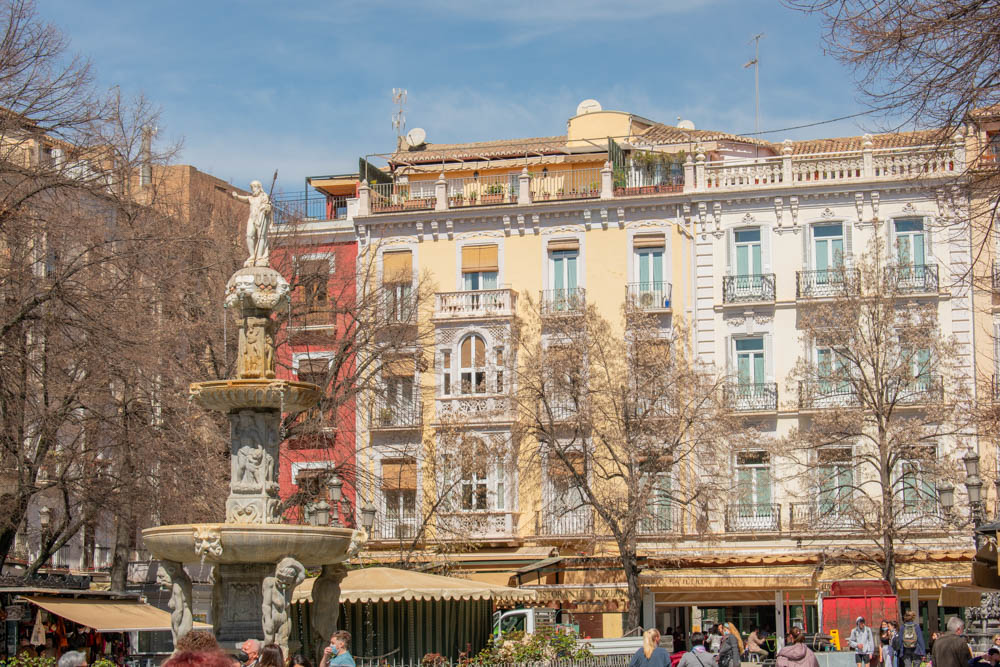
Also known as Bibarrambla, this is the main square in central Granada. Take a stroll around this lively area, and maybe even stop for a drink at one of the many cafes.
Alcaicería
The Alcaicería is an open-air, Arabic-style bazaar (or market). It was originally located across Granada’s old mosque, which is now where the main cathedral sits. It was a bustling center of trade during the Islamic period. Today, it still features little alleys, full of vendors selling colorful shawls, hats, purses, lamps, jewelry, and so much more.

Bañuelo
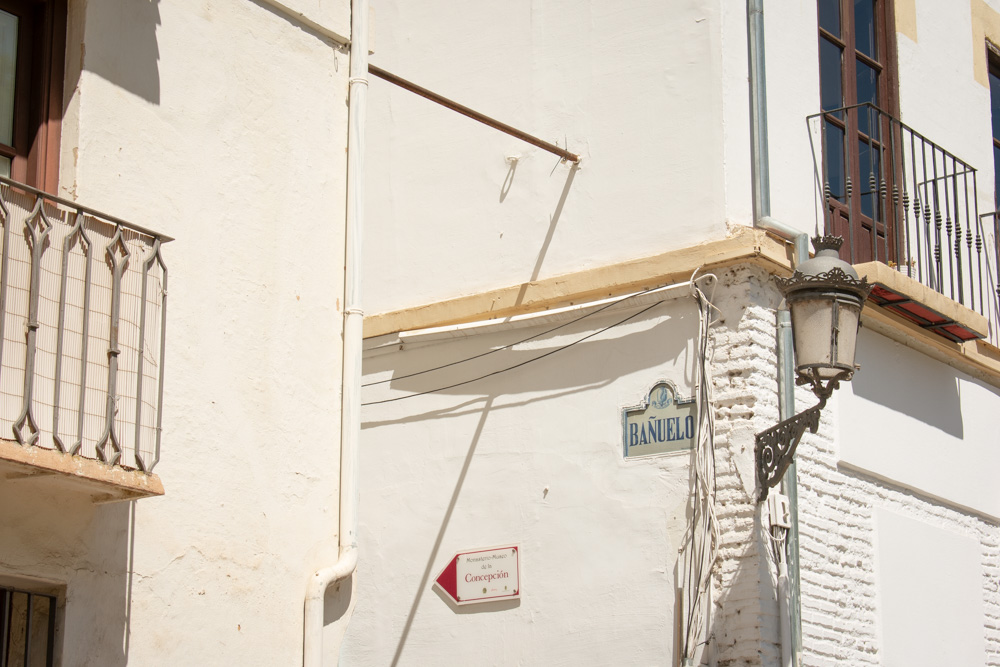
Also known as Hammam al-Yawza or Baño del Nogal, this hammam (a type of public bathhouse or spa popular in the Arab and Muslim worlds) is believed to be from the 1100s or earlier. It’s Granada’s only hammam that has been restored and is open to the public. Tickets are €7.42 and include entry into a few other monuments as well. You can purchase them in advance online from the official site.
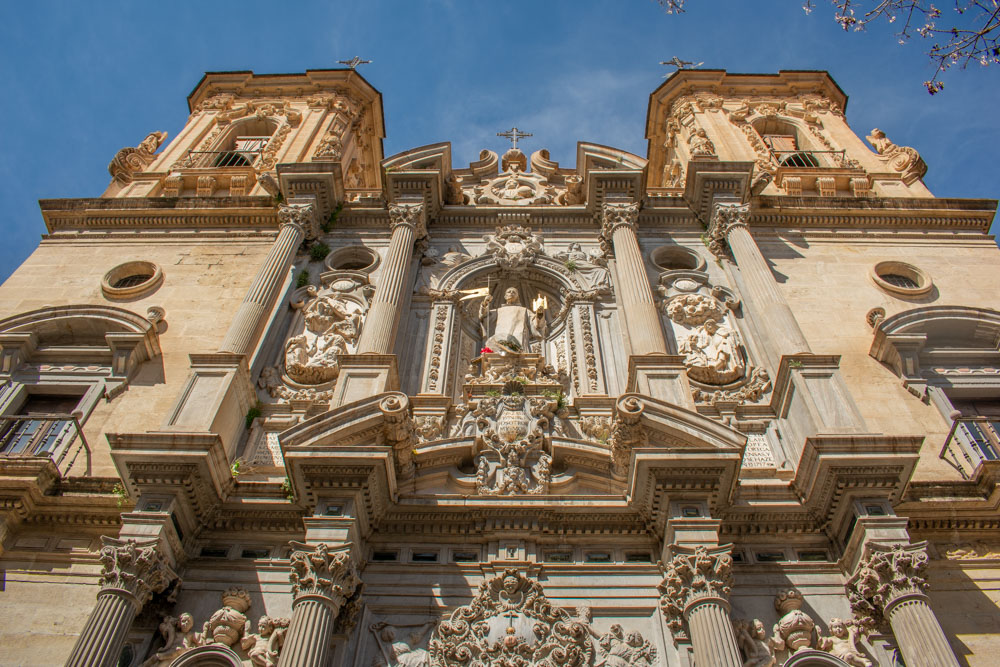
Basílica de San Juan de Dios
Even if you don’t feel the need to enter this pretty baroque church, it warrants a pass by if not just for the pretty little courtyard out front. But if you would like to enter, tickets are €10 and can be bought in advance from the official site.
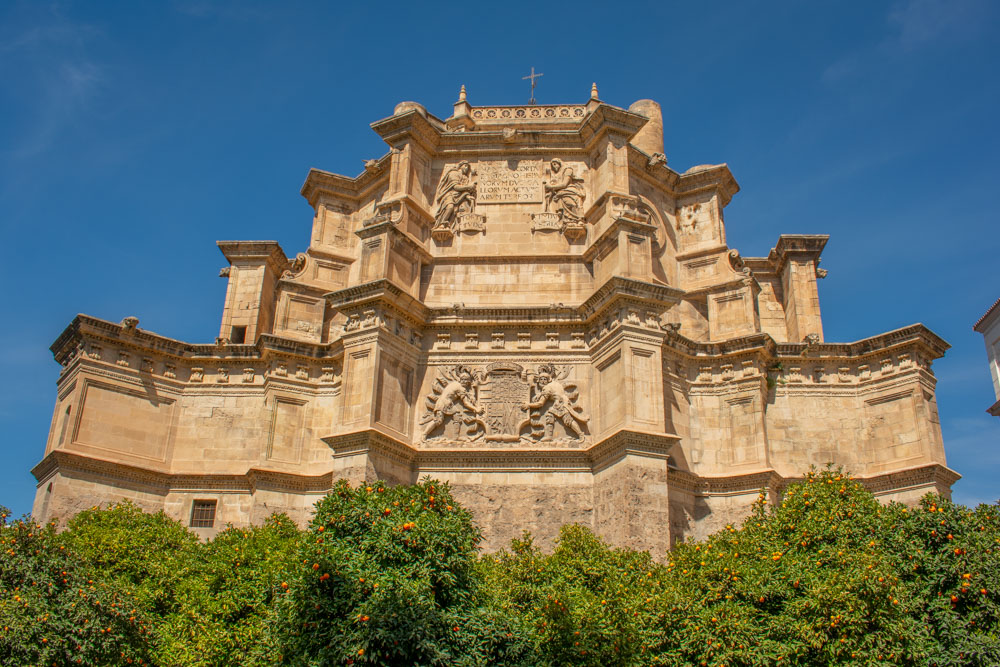
Monasterio de San Jerónimo*
This historical monastery started housing monks in the early 16th century. The building warrants a visit from even just the outside, where I fell in love with all the orange trees surrounding the building. But tickets to enter are €7. You can purchase these in person on the day of or in advance from the official site.
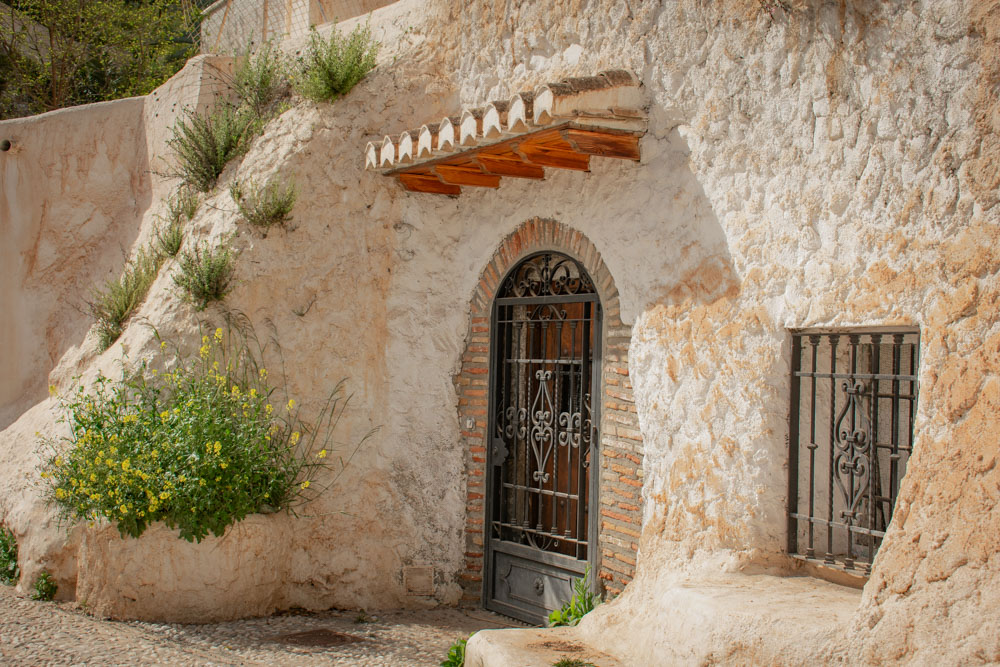
Sacromonte
This is another historical neighborhood of Granada. It borders the Albaicín and is home to the city’s Roma community. And it’s famous for its houses built into rock as caves. The area’s main street is Camino del Sacromonte, which is dotted with many tourist-geared artisan shops and cave restaurants offering nightly La Zambra performances. This is a type of flamenco dancing and singing that originated in the Sacromonte.
Sacromonte Abbey
Further away from town, and further along the Camino del Sacromonte, you will find the Sacromonte Abbey. It does offer lovely views over both Granada’s main hills at once, but I would only recommend this trek if you are interested in entering the abbey or have ample time in Granada, since it is a bit out of the way. It seemed to be undergoing construction during my visit, so I can’t speak too much about the inside!
Eat Dessert!
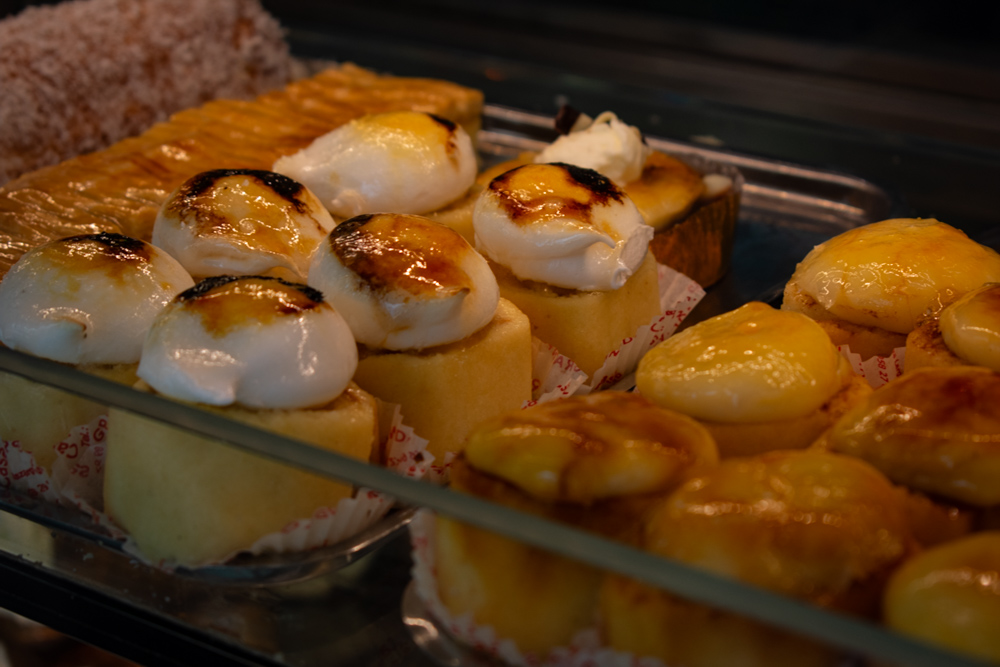
While exploring all the above things to see in Granada, I saw soo many desserts that I hadn’t seen yet living in Madrid. My favorite so far are piononos, pictured below. I tried them a couple times, and I liked the ones I stumbled upon at Panadería María much more than the ones I tried in more popular bakeries.
FREE 10 Day Spain Itinerary E-Book
Will you be exploring more than just Granada while traveling through Spain? If so, skim through my ridiculously detailed Spain itinerary for ten days. I made it especially with first-time visitors to the country in mind, but it’s honestly lovely for anyone who simply has a lot to see in a little time. I’ve also made a printable, condensed version of that ten day itinerary with every important detail you’ll need once on the ground. Just download the PDF, print it double-sided (so three pages total), and you’re good to go for your trip. It even has a map! Click below to get it emailed to you.
What Do You Think?
Are you planning a trip to Granada? Let me know any questions you still have in the comments below, and I’ll get back to you. Have you already been to Granada? Let me know of any hidden gems I missed, so that I can know for my next visit!
Save this Article on Pinterest to Return to Later